Cold is one of the most decisive climatic factors in the vegetative cycle of the vine. Although it is often associated with risks such as late frosts, the truth is that low temperatures play an essential role: they help the plant to rest, regulate its growth and prepare for the next harvest.
Understanding how cold affects the vineyard is fundamental to understanding viticulture, especially in regions where winter and thermal amplitude define the character of the wine.
Winter dormancy: the vine’s great invisible ally
During the winter, the vine goes into vegetative dormancy. This period of rest is essential for the plant to recover energy after the previous cycle. Cold temperatures favor metabolic processes that are only activated when the vine slows down. Without this rest, the plant would weaken and production, both in quantity and quality, would be compromised.
Grapevines need a minimum number of chilling hours to comply with the winter rest. This requirement is comparable to that of other woody crops, such as almond and cherry trees. If the winter is too mild, the plant may wake up early or wake up irregularly, which increases the risk of damage if a late frost arrives.
Year of snow, year of goods
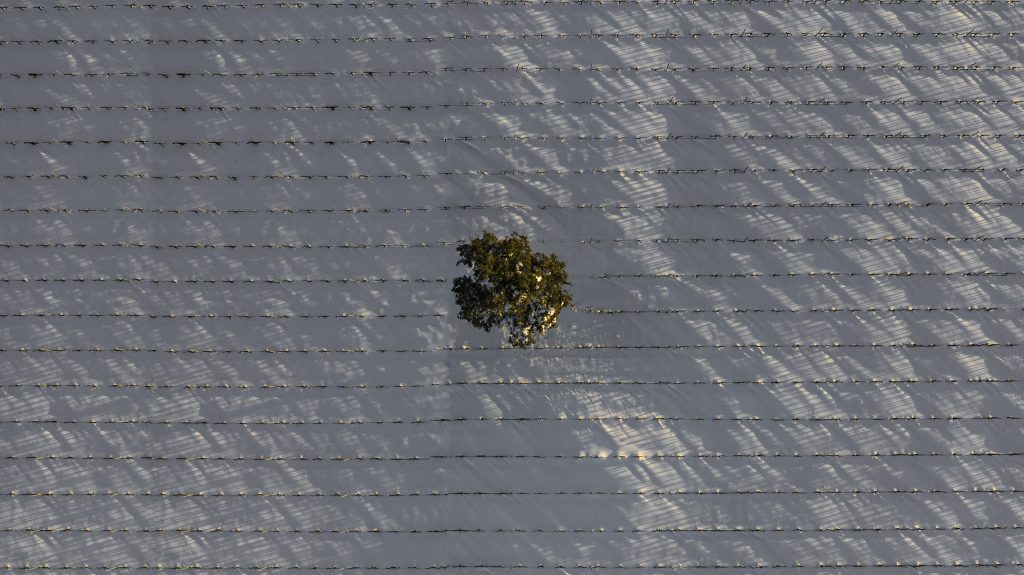
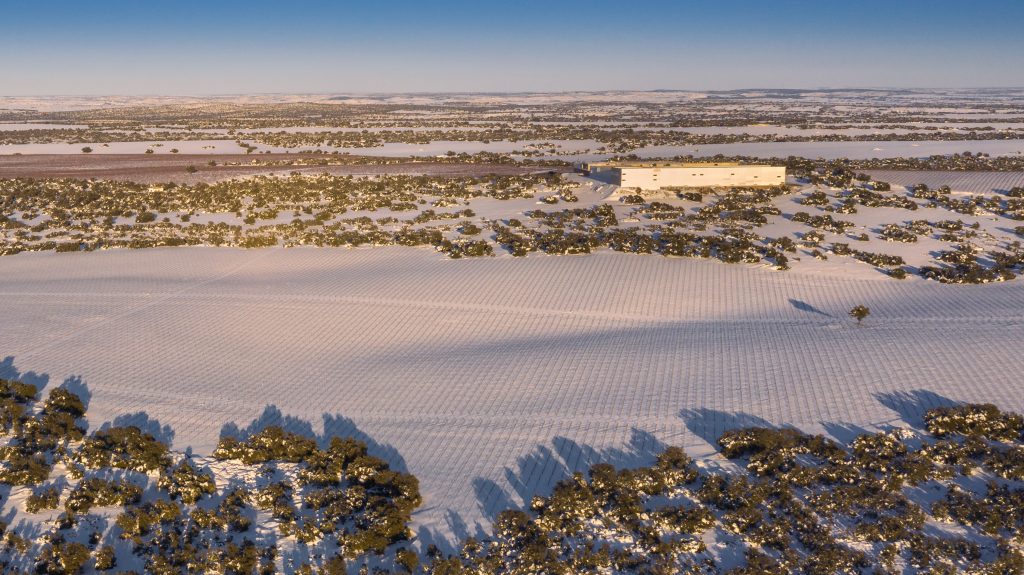
The winter of 2026 is giving us beautiful pictures, in our case, especially in Finca Montepedroso (Rueda). Snow is a valuable form of precipitation, the antithesis of torrential rains or storms, because the water seeps slowly into the subsoil. In addition, it helps to clean the soil of pathogens.
Frost: the most dreaded side of cold weather
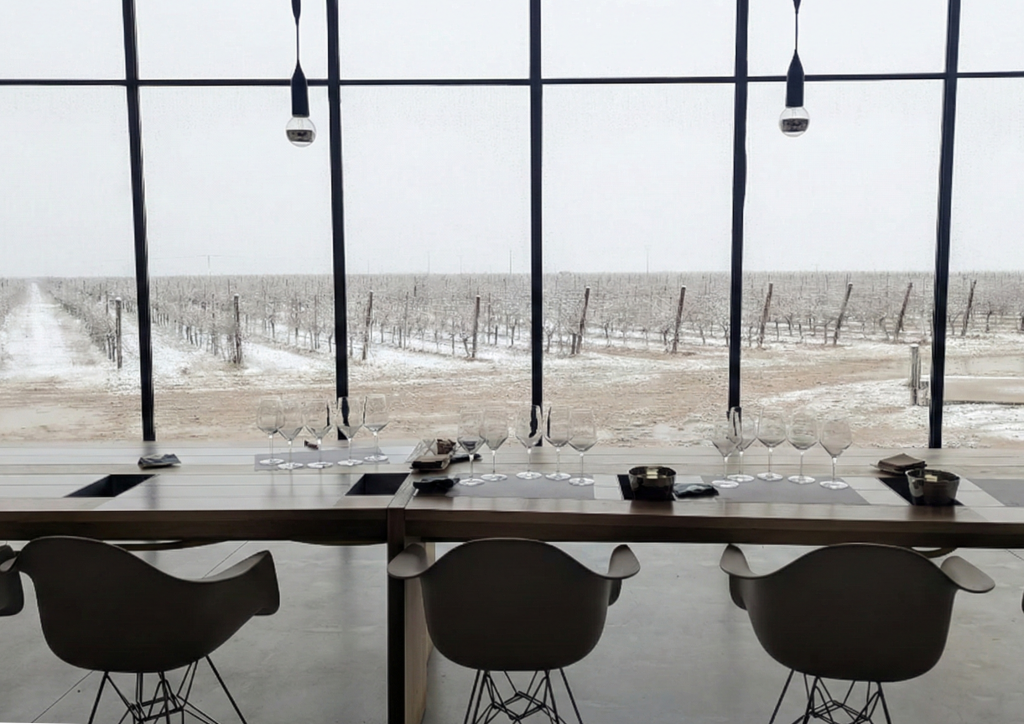
Although winter brings benefits, frosts (especially spring frosts) represent one of the major risks for the vineyard.
- Winter frosts: they usually affect less because the plant is dormant.
- Late spring frosts: these are the most dangerous, since they can destroy green shoots, and with it, the future harvest.
- Autumn frosts: can stop ripening if they occur too early.
Sensitivity also varies according to variety. For example, early budding varieties (such as chardonnay or tempranillo) are more exposed than those that bud later.
Cold and terroir: differences according to climate
Cold is deeply linked to the concept of terroir, as it influences the acidity, aromatics and structure of the wine. In cool areas, ripening is slower and wines tend to have greater freshness and tension. In warm areas, night cooling is key to balance the cycle.
For this reason, wine regions located on the plateau stand out not only for their summer heat, but also for the thermal amplitude between day and night.
Biological regulator
Cold is not only a meteorological factor: it is an essential biological regulator for the vine. Without it, there is no rest, no balance in budding and, therefore, no wines with structure, acidity and aging capacity.
In short, winter, with its frosts and apparent stillness, is the first chapter of the wine that we will enjoy months later. The vineyard rests, renews itself and begins again, in a cycle as silent as it is essential.