

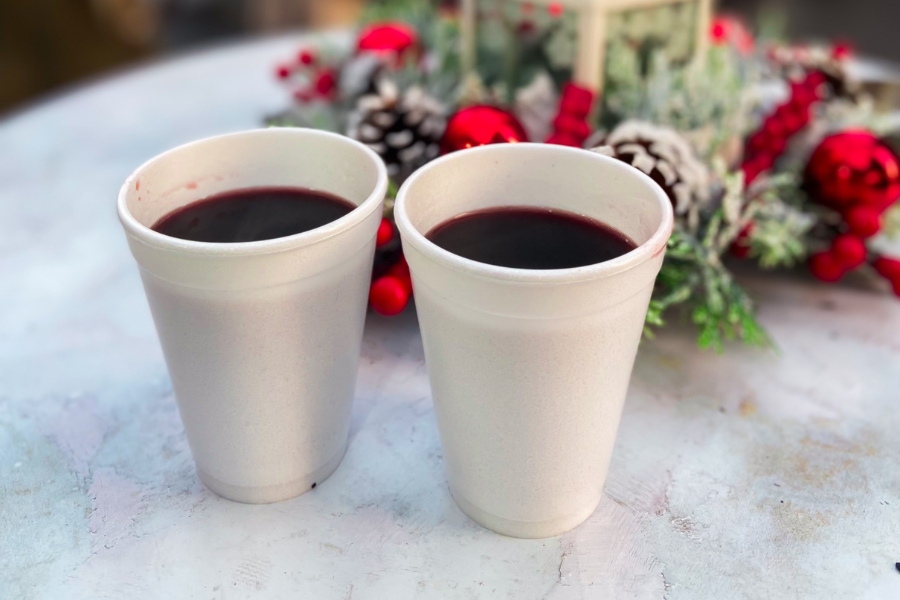
Mulled wine is one of the most comforting and traditional winter beverages in many cultures around the world. Aromatic, spicy and served at an elevated temperature, this preparation combines wine with spices and, sometimes, fruits or liquors, creating a sensory experience that goes beyond a simple beverage: it is a symbol of celebration, hospitality and seasonal tradition.
Below, we explore what mulled wine is, its main varieties, the countries where it is consumed and its close relationship with the coldest months of the year.
What is mulled wine?
Mulled wine, also known as mulled wine or spiced mulled wine, is a beverage made from wine gently heated without boiling along with spices, sugar and, in some cases, citrus fruits or distillates.
The most common spices include:
- Cinnamon
- Nail
- Star anise
- Nutmeg
- Cardamom
- Ginger
It is also common to add orange or lemon peel, sugar or honey to balance the acidity of the wine. The result is an intense and warm drink, perfect to combat low temperatures.
Although today it is mainly associated with Christmas markets and winter celebrations, the origin of mulled wine dates back to Ancient Rome, where wine was heated with spices to improve its preservation and make it more pleasant during the winter. Since then, this tradition has spread throughout Europe, adapting to the local tastes and products of each region.
Main varieties of mulled wine
Each country has developed its own version of mulled wine, with distinctive ingredients and nuances that reflect its gastronomic culture.
Glühwein (Germany and Austria)
Glühwein is probably the most internationally known version. Very popular in German and Austrian Christmas markets, it is usually made with red wine, cinnamon, cloves, sugar and citrus fruits. Sometimes it is enriched with rum or liqueur, giving rise to the so-called Glühwein mit Schuss (“with an extra touch”).
There is also a less common variant made with white wine, lighter and more aromatic.
Vin chaud (France)
In France, vin chaud is prepared with red wine, sugar, cinnamon and citrus, with a generally more subtle and less sweet profile than other European versions. It is commonly found at ski resorts and Christmas fairs, especially in Alpine regions.
There is also a less common variant made with white wine, lighter and more aromatic, which is usually made with dry whites, such as verdejo.
Mulled wine (United Kingdom and Anglo-Saxon countries)
In the Anglo-Saxon world it is known as mulled wine. The recipe usually incorporates red wine, sugar, cinnamon, cloves, nutmeg and orange or lemon peel. In some preparations, apple, brandy or sherry are added, providing greater aromatic complexity.
Glögg (Nordic countries)
The glögg, typical of Sweden, Norway, Finland and Denmark, is a more intense and richer version. In addition to spices, it may include almonds and raisins, and is often enriched with vodka or aquavit. It is served especially during the Christmas period and Advent celebrations.
Other international variants
Similar versions exist in Eastern Europe, such as grzane wino in Poland or forralt bor in Hungary, each with its own combinations of spices and varying levels of sweetness.
Countries where it is consumed
Mulled wine has a strong presence in cold climate regions, especially in central and northern Europe. Germany, Austria, France, the United Kingdom and the Scandinavian countries are the main consumers, although its popularity has spread to many other places.
In Spain, its consumption is not traditional, but it is increasingly common to find it in Christmas markets, gastronomic events or mountain destinations. In North America it has also gained popularity during the winter, especially in the United States and Canada.
Beyond its function as a beverage, mulled wine is part of a cultural experience: it is consumed at outdoor gatherings, fairs, Christmas markets and social celebrations where the cold is part of the atmosphere.
A drink linked to winter
Mulled wine is deeply linked to the winter season. Its consumption increases especially between November and February, coinciding with Christmas celebrations, New Year and winter festivities in the northern hemisphere.

Tradition and actuality
From Ancient Rome to contemporary Christmas markets, this drink has evolved while maintaining its essence: to offer warmth, aroma and conviviality in the coldest months of the year.
From Ancient Rome to contemporary Christmas markets, this drink has evolved while maintaining its essence: to offer warmth, aroma and conviviality in the coldest months of the year.
Today, mulled wine remains a universal symbol of winter, celebration and hospitality. The best wines to make your own mulled wine at home are aromatic, fruity, medium-bodied reds such as Cantos de Valpiedra, Viña Bujanda Tinto or international varieties such as Finca Antigua Syrah Crianza.
And if you also want more ways to enjoy wine, discover them here.