A wine’s acidity is one of the key elements in understanding its balance, freshness, and aging potential. Although it often goes unnoticed compared to better-known concepts such as alcohol, tannins, or aromas, it has a direct influence on how we perceive a wine on the palate and how it evolves over time. It forms part of the backbone of the wine.
But what exactly is acidity, and where does it come from?
What Is Wine Acidity?
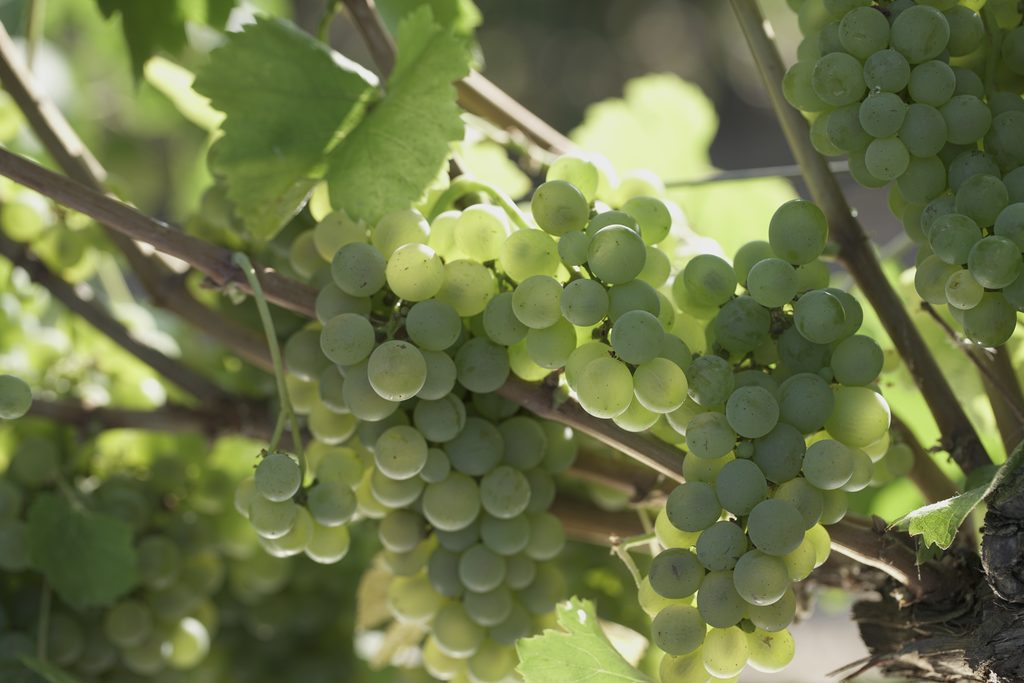
Grapes naturally contain various organic acids, primarily tartaric, malic, and citric acids. During ripening, their concentration changes; as the sugar content of the grapes increases, some of the acidity decreases.
Therefore, deciding when to harvest involves striking a balance between sugar, acidity, phenolic ripeness, and aromas. Grapes harvested too early may have excessive acidity and vegetal notes; if you wait too long, they may lose their freshness and result in heavier wines.
Acidity is analyzed using various parameters. Two of the most important are total acidity and pH, which are related but do not mean exactly the same thing. A low pH is often associated with a greater sensation of freshness and also contributes to better microbiological stability in wine.
How Climate and Altitude Affect Us
Climate plays a decisive role in preserving acidity. In warm regions, high temperatures accelerate ripening and can lead to greater loss of acids, especially malic acid.
The vineyard’s elevation can help offset this effect. At higher elevations, there are typically greater temperature differences between day and night, which promotes slower ripening and helps preserve the grapes’ acidity.
At Finca Antigua, located at an altitude of more than 900 meters, this temperature contrast helps maintain high natural acidity and a low pH, which are important characteristics of its wines.
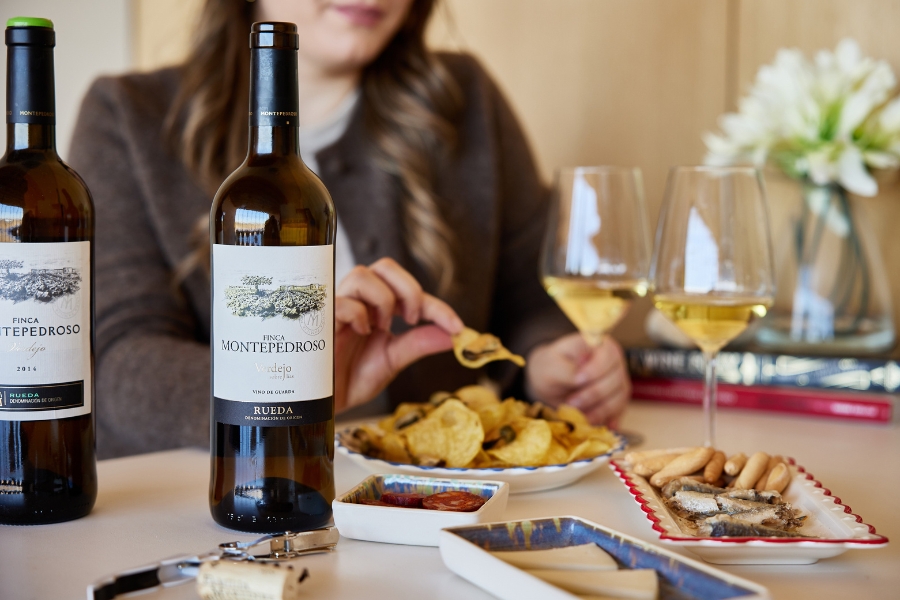
At Finca Montepedroso, the Verdejo vineyards are located at an altitude of about 750 meters, in a setting where the climate and vineyard conditions help preserve the characteristic freshness of this variety.
Variety matters, too
Not all grape varieties retain their acidity in the same way. Some grapes retain their freshness better during ripening, while others lose acidity more quickly.
Verdejo, for example, is often characterized by a pronounced acidity that contributes to the wines’ tension and liveliness. In red grape varieties, acidity is also essential for balancing alcohol, concentration, and tannins.
What Happens to Acidity During Production?
Winemaking can also alter the perception of acidity. One of the most important processes is malolactic fermentation, in which malic acid—which has a more intense flavor, like that of a green apple—is converted into lactic acid—which has a milder flavor, like that of yogurt.
In addition, techniques such as aging on the lees can add body and texture, making pronounced acidity seem more integrated. At Finca Montepedroso, for example, aging on the lees helps preserve the Verdejo’s freshness while adding more body and complexity to the wine.
Acidity, therefore, does not simply mean that a wine is “acidic.” It is one of the pillars of a wine’s balance: it adds freshness, helps define its structure, promotes its preservation, and can be a determining factor in its aging potential.
That is why there is much more to a well-balanced glass of wine than just the grape variety. Climate, altitude, harvest date, and winemaking decisions all work together to ensure that acidity becomes a virtue rather than an excess.