With the arrival of cold weather, chestnut vendors return to the streets and squares of many cities. For generations, these stalls—traditionally run by women—have roasted chestnuts over hot coals and served them hot in paper cones. The smoke, aroma, and warmth they give off have become one of the most recognizable sights of fall.
This urban tradition is linked to an even older custom, such as the “magostos,” “castañadas,” and other popular festivals in different regions of Spain. But this fruit isn’t just enjoyed roasted. It’s also used in soups, side dishes, meat dishes, and desserts.
Chestnuts have a slightly sweet flavor, a mealy texture, and subtle toasty and earthy notes. Therefore, when choosing the right wine, we shouldn’t focus solely on this ingredient, but also on the entire recipe, its intensity, and the cooking method.
Roasted Chestnuts and Cantos de Valpiedra
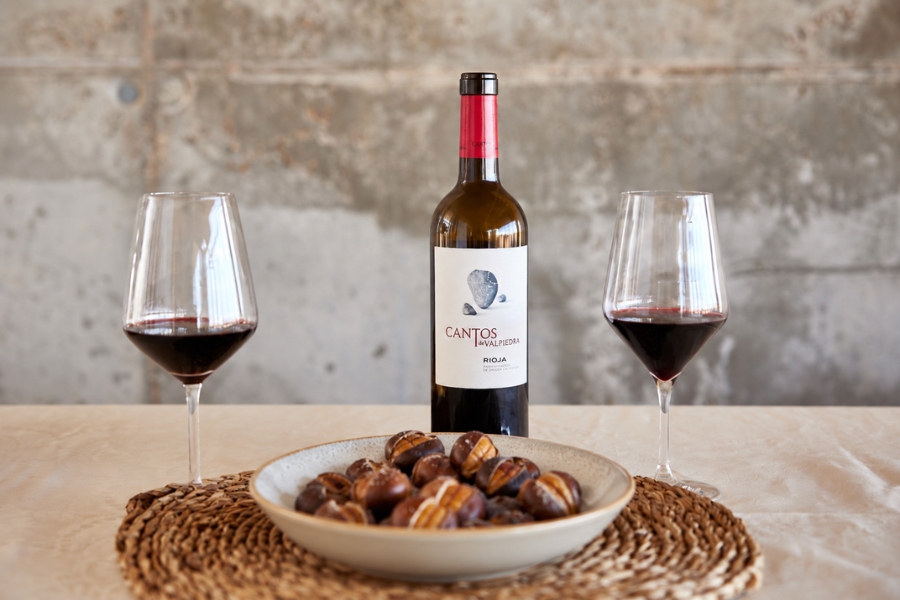
Roasted chestnuts retain the fruit’s natural sweetness and develop toasty aromas. When pairing them, it’s best to avoid wines that are overly powerful or tannic, as they could overpower the flavor of the chestnuts.
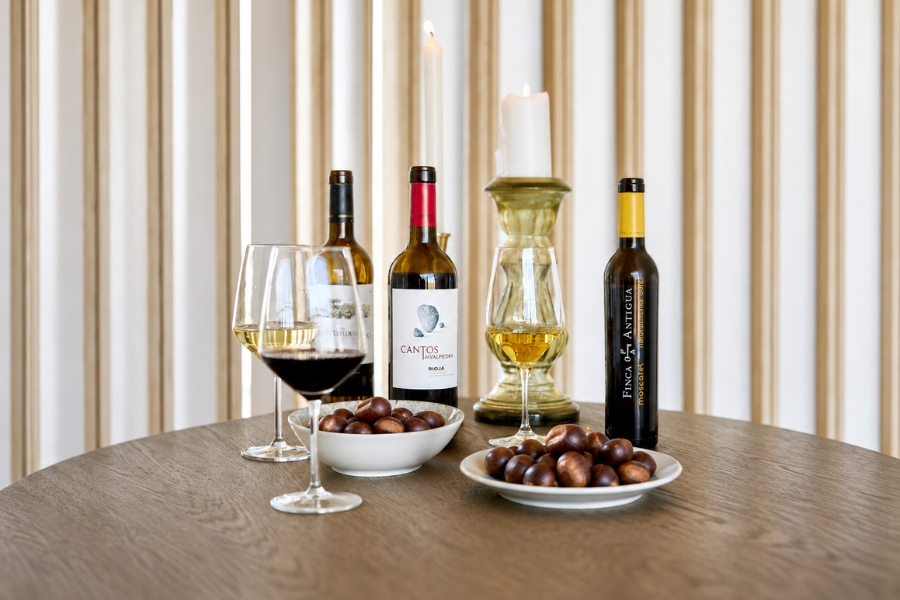
A good choice is Cantos de Valpiedra, made primarily from Tempranillo and aged for twelve months in French and American oak barrels. Its balance and smooth texture allow it to pair well with chestnuts without overshadowing them, while its fruity notes and the nuances imparted by the oak harmonize with the chestnuts’ toasty character.
We can enjoy this pairing with chestnuts on their own, as a fall appetizer, but also with simple dishes that feature them alongside cold cuts, medium-flavored cheeses, or roasted vegetables.
Chestnut Cream and Finca Montepedroso
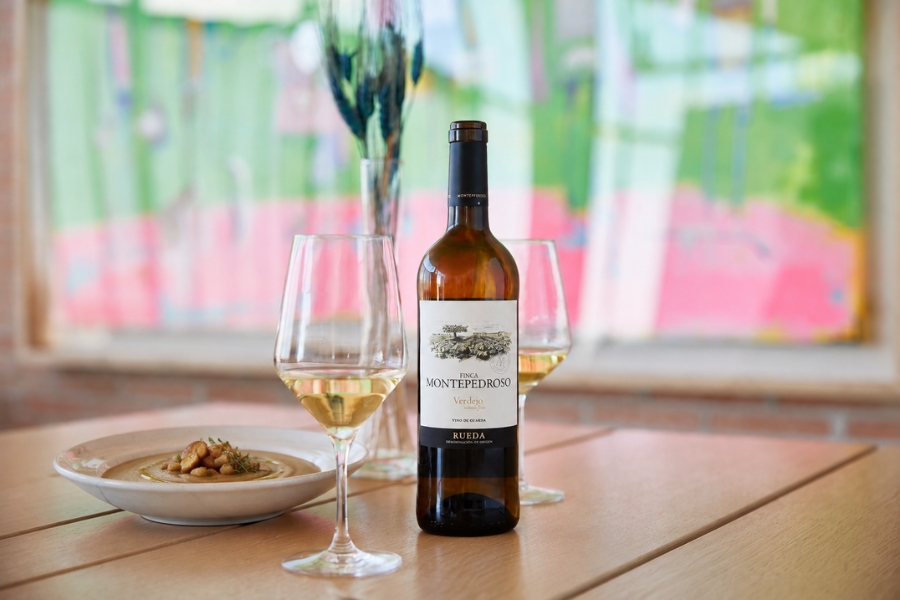
When chestnuts are used to make a cream, their texture becomes creamier and their flavor particularly delicate. If the recipe includes vegetables, broth, cream, or a mild spice, a fresh yet full-bodied white wine can provide the necessary contrast.
Finca Montepedroso is made entirely from Verdejo grapes and is aged on its lees for five months. It is an intense and fresh wine, with aromas of apricot, peach, and fennel, mineral notes, and an acidity that lends liveliness to the overall profile. Its silky texture complements the creaminess of the dish, while its freshness lightens every bite. It also pairs well with chestnut purées served as a side dish with fish, poultry, or white meats.
Poultry and Meat with Chestnuts: Viña Bujanda Crianza
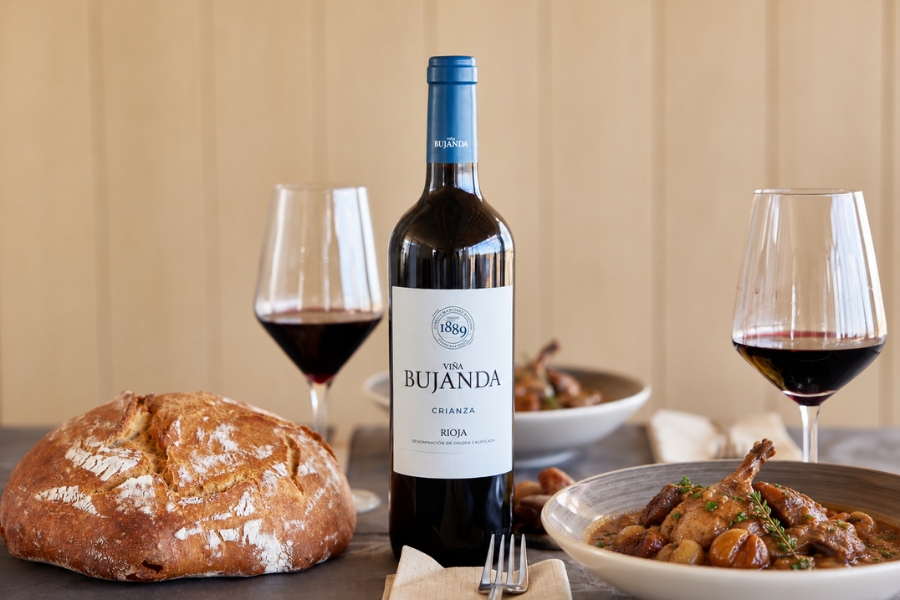
Chestnuts are often used in stuffings, sauces, and side dishes for chicken, turkey, pork, or various game birds. In these recipes, the wine should complement both the flavor of the meat and the sweet, earthy notes of the chestnuts.
Viña Bujanda Crianza, made with Tempranillo grapes from the winery’s own vineyards in Rioja Alta and Rioja Alavesa, is an elegant, complex, and well-balanced wine with a long finish. Its profile makes it a perfect pairing for flavorful dishes without being overly intense.
It can be a good choice for chicken stuffed with chestnuts, pork tenderloin with chestnut sauce, or a poultry stew with fall fruits. In these cases, the wine’s fruitiness complements the sweet notes of the dish, and its structure pairs well with the meat.
Chestnut Desserts and Finca Antigua Moscatel
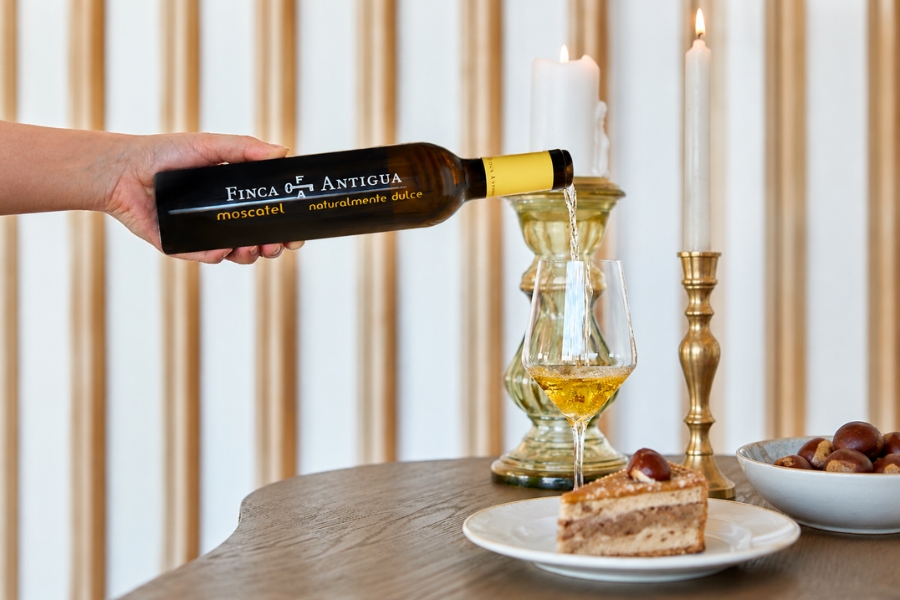
When chestnuts are used in desserts, we need a wine with enough sweetness to maintain balance. If the wine is drier than the dish, it may taste bitter or lose some of its character.
Finca Antigua Moscatel is a naturally sweet, organic wine made from Muscat grapes using the traditional method of sun-drying on racks. It features aromas of stone fruit and white flowers, a silky texture, and a fresh, lingering finish.
These characteristics make it a good pairing for a chestnut cake, a sponge cake, a mousse, or a sweet cream made with chestnuts. Its freshness helps balance the richness of the dessert, while its aromas add a more floral and fruity dimension to the pairing.
How to Choose the Right Wine for Roasted Chestnuts
When choosing a wine, we can consider three factors:
- Pairing: Roasted chestnuts require less structure than meat served with a chestnut sauce.
- The intensity of the dish: the more flavorful and complex the recipe, the more prominent the wine can be.
- Sweetness: If the chestnuts are part of a dessert, the wine should also be sweet and have a similar or greater intensity.
Chestnuts pair well with far more foods than we might imagine. This fall, all that’s left to do is choose a recipe, open the right bottle of wine, and enjoy one of the season’s most distinctive flavors.