Since 1889, Martínez Bujanda Family has maintained a direct relationship with the vineyard, with the landscape and with the territories where its wineries are located. This long-term view, typical of a winemaking family, has made respect for the environment an essential part of their way of working.
Wine is thought in the vineyard, it starts in the soil, in the water, in the biodiversity that surrounds each estate, in the energy consumed during the winemaking process and in every decision taken throughout the year. Therefore, sustainability in Familia Martínez Bujanda is not understood as an isolated action, but as a global commitment that affects the vineyard, the winery and the environment.
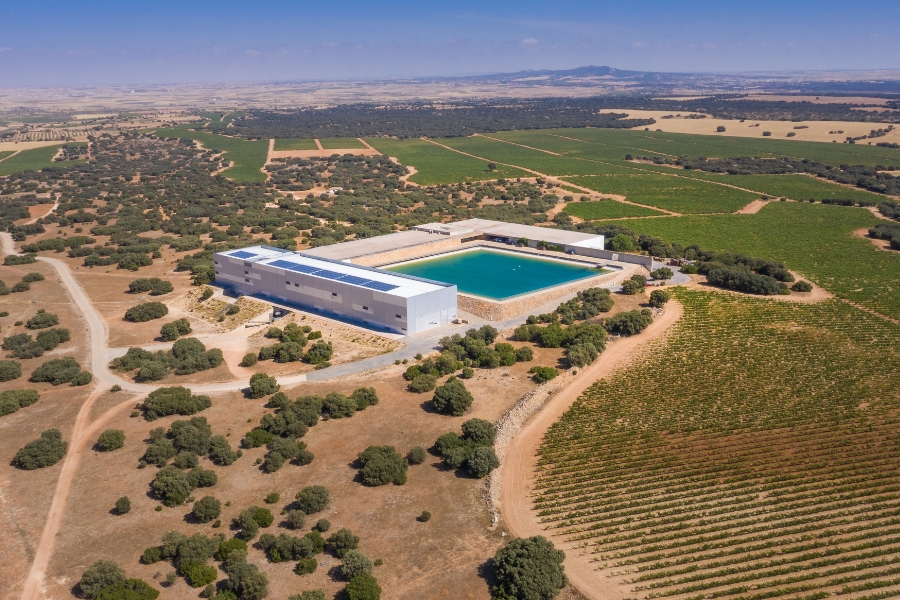
In this path, Finca Antigua, the winery that the family owns in Los Hinojosos, in the province of Cuenca, occupies a particularly relevant place. Its work in water management, energy efficiency and organic viticulture has made it one of the best examples of environmental commitment in Spain.
A common philosophy: caring for the origin
Familia Martínez Bujanda works with a clear idea: there can be no great wines without a respected environment. The estates(Finca Valpiedra, Finca Antigua and Finca Montepedroso) start from very different realities, but share the same philosophy which consists of respecting the landscape, knowing the vineyard and making decisions that allow preserving the identity of each place, as well as the fauna and flora that inhabit it.
One of the cultural practices carried out, for example, is the use of the organic remains generated in the winemaking activity itself. Pruning remains, stems and skins are reused as organic fertilizer, returning to the soil part of what the vineyard has given during the vegetative cycle. This practice contributes to improving the soil structure, promotes soil life and helps maintain the balance of nutrients.
Sustainability, in this sense, is not only about reducing impact; it also implies understanding that soil is a living organism, which needs constant care (even in winter).
Finca Antigua, a benchmark in responsible water management
One of the great challenges of today’s viticulture is water management. In a context of climate change, with increasingly frequent periods of drought and growing pressure on water resources, using water efficiently has become a priority.
In this area, Finca Antigua stands out in a special way. The winery was recognized by the Government of Castilla-La Mancha with the Award for Best Water Management, an award that highlighted its commitment to innovation and the responsible use of this essential resource. The recognition was granted for the application of nanotechnology to optimize the estate’s water resources, a measure that reduced water consumption for irrigation and improved the plant’s photosynthetic efficiency.
This technology has enabled Finca Antigua to significantly reduce its water consumption, with savings of up to 400,000 cubic meters of water per year and a reduction of nearly 50% in the use of irrigation water. Beyond the figures, the important thing is that it represents a way of understanding innovation at the service of the vineyard. It is not a question of producing at any price, but of ensuring that each resource is used better, that the plant makes optimal use of the available water and that the vineyard can adapt to increasingly demanding conditions.
La Mancha as a territory of sustainable innovation
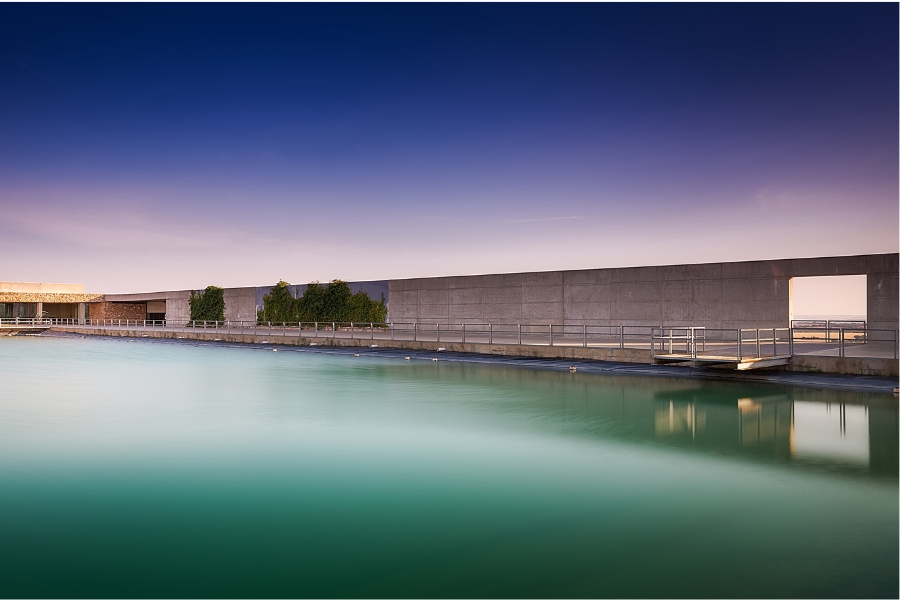
Finca Antigua is located in a particularly sensitive environment: Castilla La Mancha is an area marked by great thermal contrasts, poor soils and limited water availability. Precisely for this reason, sustainability on this farm is not an add-on, but a necessity.
The winery has been able to turn the demands of the territory into an opportunity to move towards a more efficient and responsible viticulture. Water management is the most visible example, but not the only one. The winery is also working on soil conservation, the use of renewable energies and reducing the environmental impact of its daily activities.
In addition, Finca Antigua has made progress in its organic conversion. The 2022 vintage was the estate’s first 100% organic vintage, the result of a transformation process carried out over several years. This evolution reflects a clear desire to work the vineyard in a more respectful way, favoring biodiversity and better accompanying the natural cycles of the plant, as well as creating healthier wines that are more coherent with the environment.
Renewable energies and energy efficiency
Familia Martínez Bujanda’s environmental commitment is also reflected in the energy management of its wineries. Finca Antigua has developed a self-consumption photovoltaic installation, a measure that allows covering a significant part of the annual energy needs and reducing the emissions associated with the winery’s activity.
This installation produces more than 178,000 kWh per year and avoids the emission of more than 50 tons of CO₂ per year. This energy vision is complemented by other measures, such as the night harvest at Finca Antigua, which allows the grapes to be received at a lower temperature and reduces the need for refrigeration in the winery. The pruning shoots are also used to generate biomass and work is carried out with criteria of efficiency in the use of resources.
Sustainability at Finca Montepedroso and Finca Valpiedra
In addition to Finca Antigua, sustainability is also part of the daily work at Finca Valpiedra and Finca Montepedroso.
At Finca Valpiedra, the vineyard is now certified organic as of the 2024 harvest, a further step in a philosophy based on respect for the landscape, the soil and the origin of its wines. In addition to this, the vineyard has been awarded the Sustainable Wineries for Climate Protectionwhich recognizes the winery’s commitment to reducing emissions, energy efficiency, water management and waste reduction.
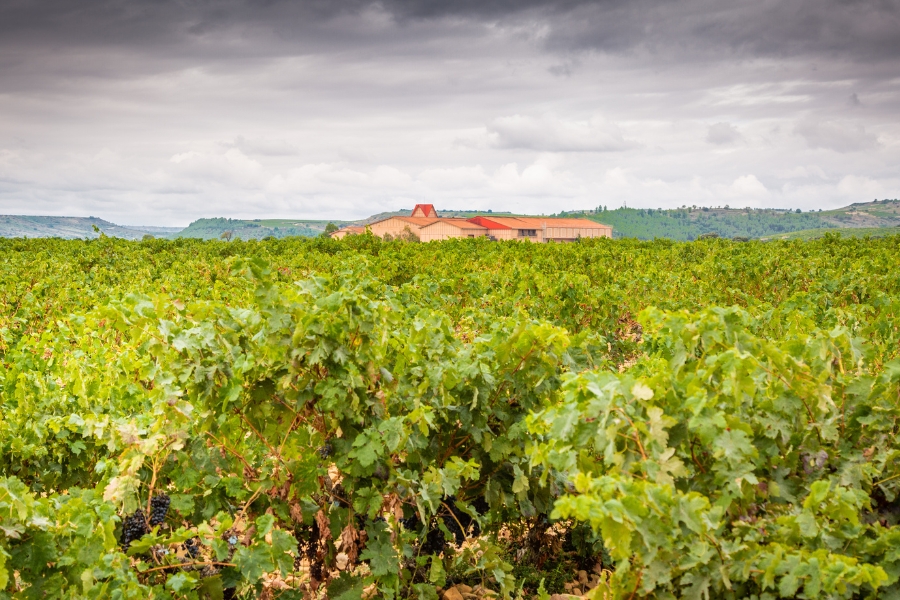
At Finca Montepedroso, sustainability is reflected both in the integration of the winery into the environment and in specific winemaking practices, including nighttime harvesting.
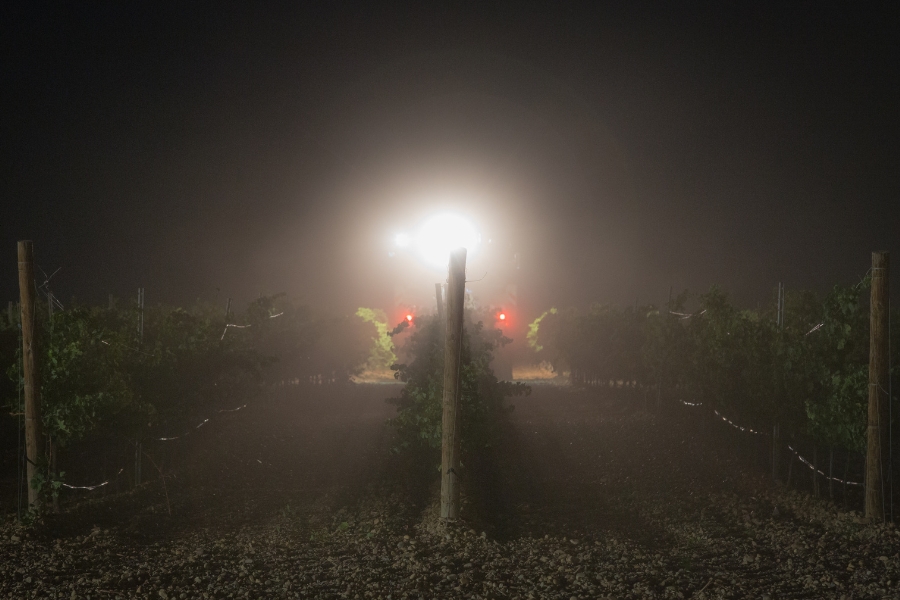
Sustainability that also looks at people
The responsibility of a winery does not end with the environment. Familia Martínez Bujanda also understands sustainability from a social perspective. An example of this is the project “Con parte Vino Solidario“, a special edition of Viña Bujanda created in collaboration with the NGO Coopera to support its humanitarian and educational work in Africa and South America.
This type of initiative broadens the concept of sustainability and reminds us that a family business with more than 137 years of history is also part of a community. Caring for the land, caring for the environment and contributing to society are all part of the same way of understanding the future.
Thinking about the next generations
Sustainability at Familia Martínez Bujanda is the sum of many decisions: reusing organic waste, reducing consumption, opting for renewable energies, improving water management, protecting biodiversity, working with our own vineyards and respecting the uniqueness of each estate.
Because a family winery does not only think about the next harvest. It thinks about those who will come after it, in the next 137 years.