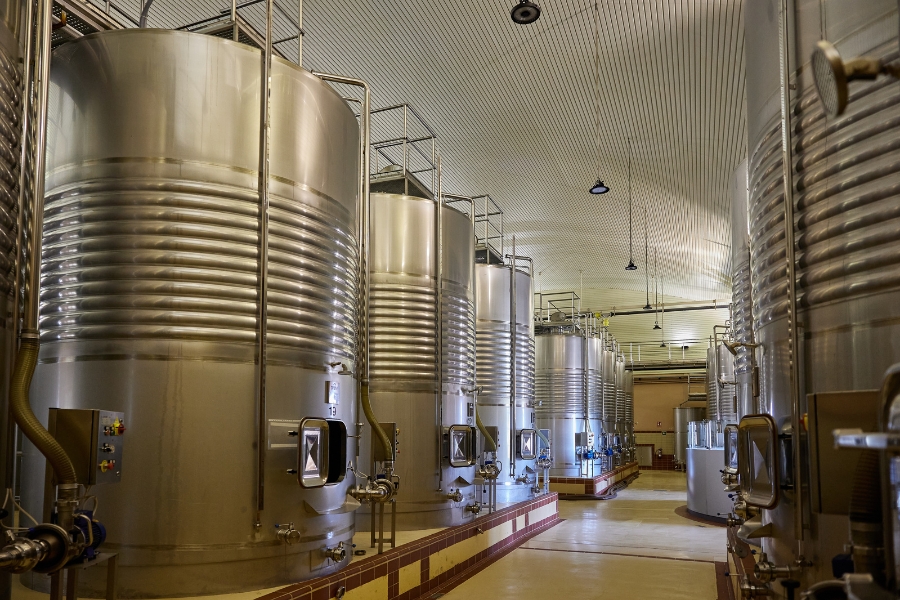
Color, aroma, structure, texture… much of a wine’s personality begins to take shape during a key stage of winemaking: maceration. The length of contact between the must and the solid parts of the grape, the temperature, or the timing of the process can significantly alter the final result and determine a wine’s structure and texture. Although it is usually associated primarily with red wines, there are different types of wine maceration that are also applied to white and rosé wines.
But what exactly is maceration? It involves keeping the must in contact with the solid parts of the grape—mainly the skins—which contain numerous polyphenolic compounds.
Skin maceration
Skin contact involves keeping the must in contact with the grape skins for a specific period of time to promote the extraction of compounds present in the skins, such as aromas, aromatic precursors, anthocyanins, and tannins. Its intensity and duration depend on the type of wine to be produced. One example is our Finca Antigua Naturally Sweet Muscat.
Within skin contact maceration, we can distinguish different methods based on the timing and conditions under which contact occurs between the must and the grape skins.
Cold pre-fermentation maceration
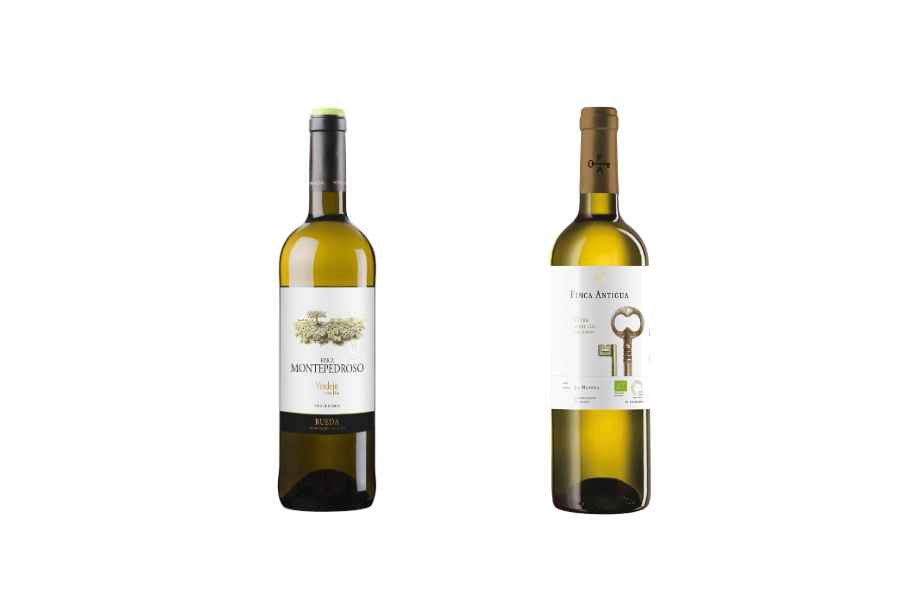
In white wines, maceration is not a mandatory step: in many winemaking processes, the grapes are pressed quickly to separate the must from the solids and limit extraction. However, some white wines undergo cold pre-fermentation maceration, which takes place before fermentation begins and at a low temperature, as is the case with Finca Montepedroso and Finca Antigua Viura.
Fermentative maceration
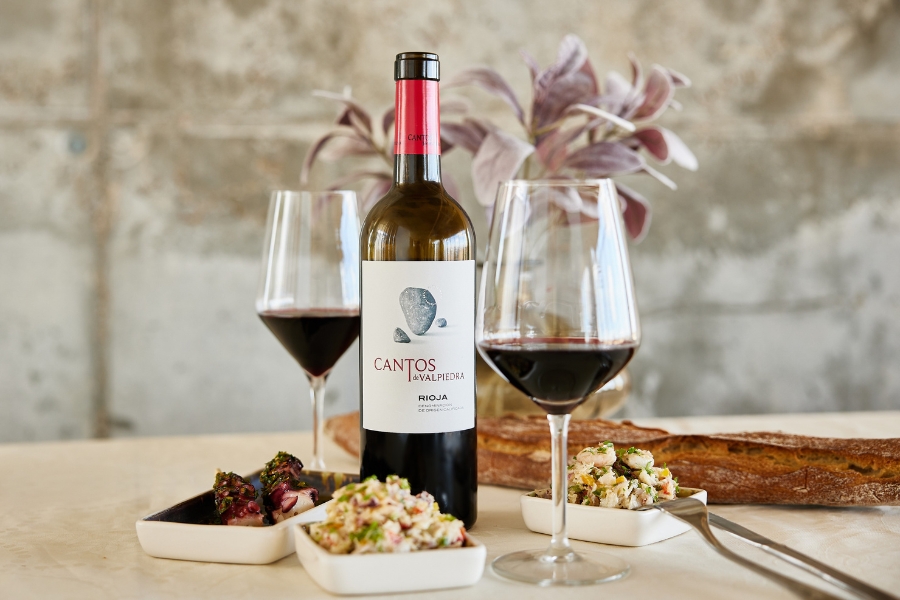
With red wines, on the other hand, this contact is essential for developing color, structure, and part of their aromatic profile.
It takes place at the same time as alcoholic fermentation: the must remains in contact with the grape skins while the yeasts convert the sugars into alcohol. During this period, anthocyanins—which are largely responsible for the color of red wines—are extracted, along with tannins and various aromatic compounds. Techniques such as pumping over or stirring allow the liquid to come into contact again with the so-called “cap” of grape skins that forms on the surface.
Post-fermentation maceration
Once alcoholic fermentation is complete, the wine can remain in contact with the skins for a longer period of time before devatting and pressing.
This extended maceration allows for continued extraction and development of phenolic compounds and can be used to produce wines with greater structure, concentration, and aging potential. The duration depends on both the raw materials and the style of wine to be produced.
Carbonic maceration
Carbonic maceration involves placing whole clusters of grapes into a tank with an atmosphere rich in carbon dioxide; intracellular fermentation begins inside the berries, eventually breaking down the berry skins. This winemaking method produces very distinctive aromas and typically results in wines that are particularly fruity, fresh, and less tannic.
The Case of Orange Wines
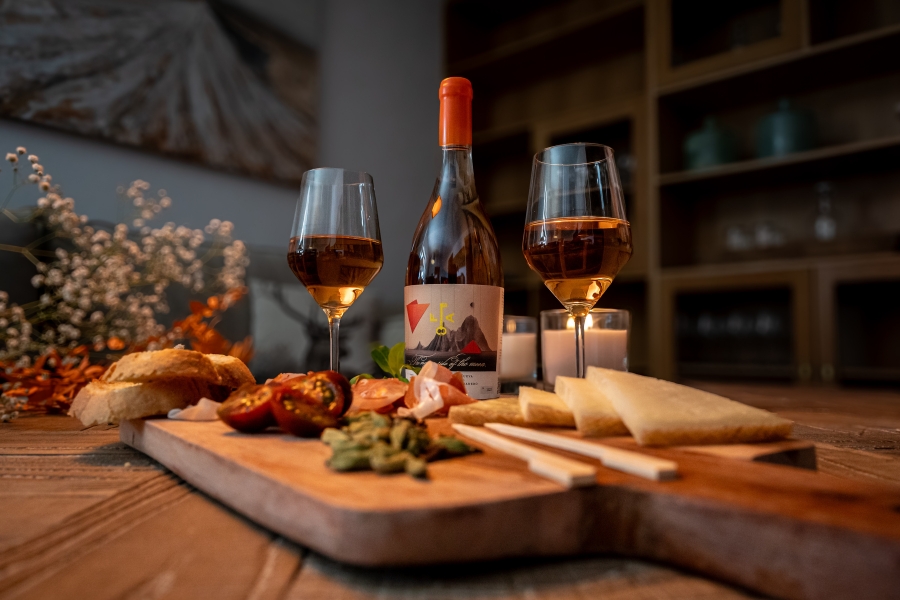
Orange wines, such as Finca Antigua’s Cueva del Granero Orange Wine, are unique among white wines because they remain in prolonged contact with the grape skins. As a result, maceration can begin before fermentation, continue throughout alcoholic fermentation, and even extend beyond its completion.
This process promotes greater extraction of phenolic compounds, aromas, and tannins, and accounts for its characteristic amber color, as well as a more pronounced structure and texture than those of a conventional white wine.
Maceration, therefore, is not a fixed formula, but rather a winemaking tool. Deciding when it begins, how long it lasts, and under what conditions it takes place allows winemakers to interpret the same raw material in very different ways and shape the final style of each wine.
Discover how these winemaking decisions come through in every glass.