
Wine doesn’t come from just one grape variety. It comes from a specific place, a particular soil, a specific climate, an altitude, an orientation, and many decisions made in the vineyard throughout the year.
That is why talking about wine also means talking about the landscape and how the same family, the same philosophy, and the same approach to viticulture can produce very different wines when the origin changes.
The Value of Working Each Farm Separately
Each wine-growing year has its own rhythm. Pruning, budbreak, flowering, veraison, and harvest are common stages in the vine’s life cycle, but they do not unfold in the same way everywhere. Altitude, rainfall, wind, sun exposure, temperature, and soil composition all influence the plant’s development and require different decisions to be made on each vineyard.
For that very reason, work in the vineyard cannot be approached with a one-size-fits-all approach. It requires technical knowledge, experience, and constant attention to the behavior of each plot. Some vineyards require more precise management of vine vigor; others demand special care during hot weather; in others, the harvest must take place at a very specific time to preserve freshness; and in still others, the soil plays a decisive role in shaping the wine’s character.
Finca Valpiedra: The Character of the Ebro and the Boulders
Finca Valpiedra is located in a truly unique setting in the D.O.Ca. Rioja , in a spectacular bend of the Ebro River. Its landscape is shaped by the river, its natural terraces, and the ground covered with boulders and limestone —which gives the estate its name.
These soils play a fundamental role. The stones help retain heat and moisture, protect the vines, and help shape the character of the wines. Added to this is a unique microclimate, influenced by the proximity of the Ebro River and the mountain ranges surrounding the area.
Here, the work in the vineyard is focused on interpreting a specific vineyard site. Finca Valpiedra produces its wines exclusively from grapes grown on its own estate, following a philosophy deeply rooted in the wine’s origin. Rigorous grape selection and minimal handling of the fruit are part of a working method designed to preserve the quality of the raw material as much as possible.
Some of Rioja’s most representative grape varieties are grown on its 80 hectares of vineyards, primarily Tempranillo, along with Maturana Tinta, Graciano, Garnacha Tinta, and a small amount of Viura.
The result is wines with personality, structure, and an identity closely tied to the Rioja landscape, where the river, the rocks, and the microclimate shape each vintage.
Viña Bujanda: Rioja Tradition from Different Soils and Plots
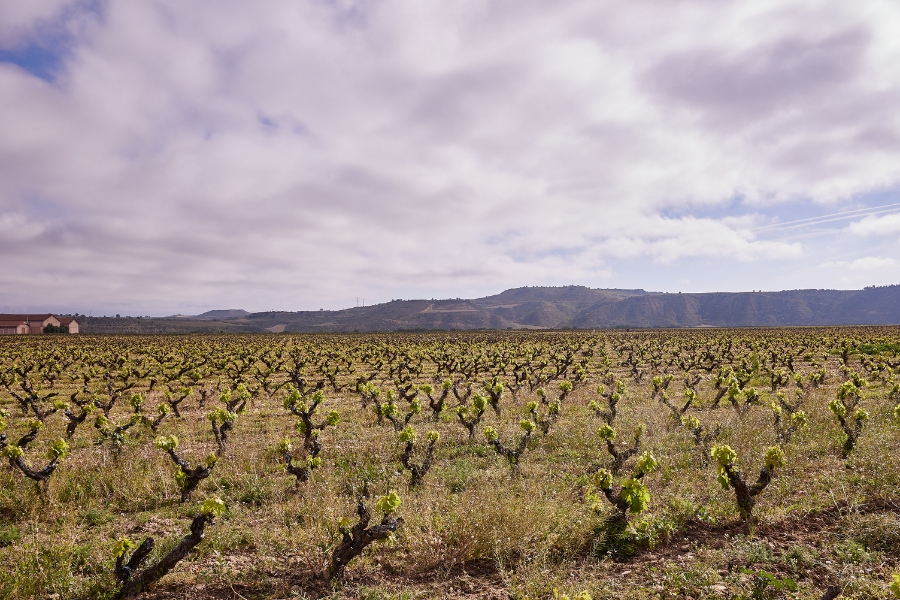
Viña Bujanda represents the Martínez Bujanda family’s most direct connection to the traditions of La Rioja. Its vineyards are spread across Rioja Alta and Rioja Alavesa, on plots with distinct characteristics, featuring clay-limestone and clay-ferrous soils .
This diversity allows us to work with Tempranillo, Graciano, and Viura from both a classic and a contemporary perspective. The age of the vineyards, their orientation, and the location of each plot influence the ripening of the grapes and the final style of the wines.
At Viña Bujanda, working on a plot-by-plot basis allows the winery to maintain a balance between tradition and innovation. The estate preserves the distinctive character of Rioja, but every decision made in the field and in the winery seeks to bring that heritage into the present while respecting the vineyard itself.
Finca Antigua: Altitude, Contrast, and Diversity in La Mancha
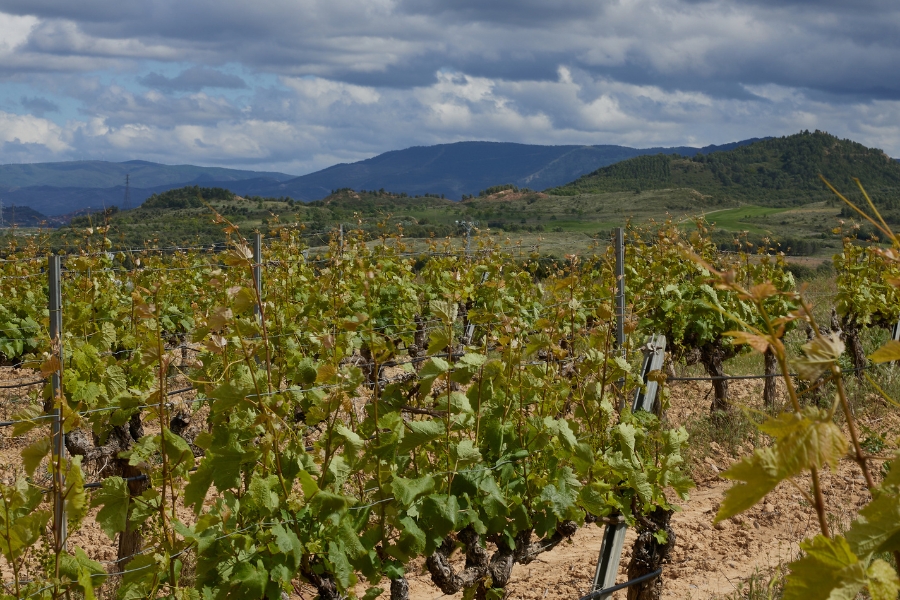
Finca Antigua is located in the La Mancha D.O., between the provinces of Cuenca and Toledo, at an elevation of more than 900 meters. It is a sprawling, sun-drenched estate with great character, where temperature variations and the diversity of grape varieties allow for the production of wines that are very different from one another.
Its loamy-limestone soils, low in organic matter, and its high altitude influence the growth of the grapevine. In this environment, the vine must adapt to a demanding landscape, with extreme temperatures and a marked difference between day and night. This wide temperature range helps preserve acidity and results in wines that are fresh, well-structured, and expressive.
At Finca Antigua, the vineyard is divided into distinct plots, each designated for the production of a specific wine. This division allows for a precise understanding of how each grape variety and each area of the estate behaves. Tempranillo, Viura, Syrah, Cabernet Sauvignon, Merlot, Petit Verdot, Garnacha, and Muscat all find very specific conditions here that allow them to express distinct profiles.
An extreme landscape that demands careful viticulture and allows for the production of innovative wines without losing touch with the land.
Finca Montepedroso: The Precision of Verdejo in Rueda
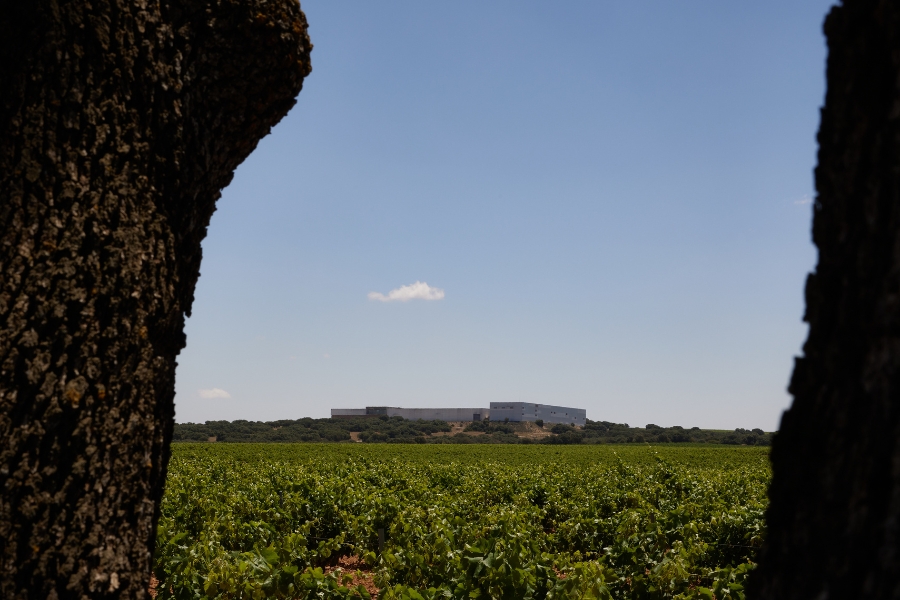
Finca Montepedroso is located in the heart of the Rueda D.O., in the very municipality that gives the appellation its name. Its 25 hectares of vineyards are dedicated exclusively to Verdejo, a variety that is cultivated here with particular care to bring out its authentic character.
The estate is located at an elevation of 750 meters, on stony soils with varying compositions within the vineyard itself. There are areas of alluvial soil with small stones, clayey areas in the ravine, and plots with silt and clay sediments. This internal diversity means that the estate cannot be viewed as a uniform block, but rather as a collection of soils that contribute distinct nuances.
The production of white wines requires meticulous attention, from the moment of harvest through the aging on lees. At Finca Montepedroso, nighttime harvesting helps preserve the grapes’ freshness, which is especially important for a variety like Verdejo. Afterward, the winemaking process aims to maintain the wine’s intensity, elegance, and expression of the terroir.
Four estates, one philosophy
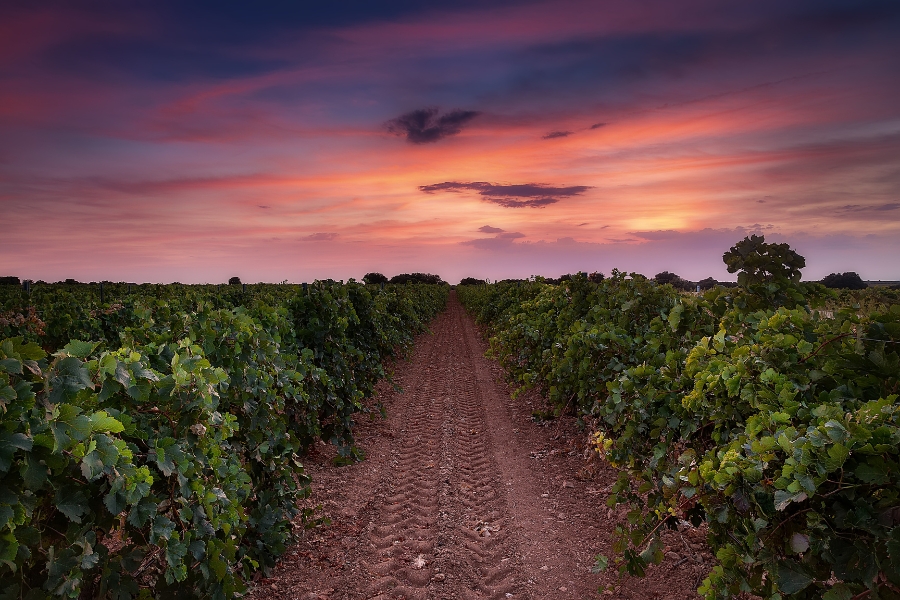
Each wine from the Martínez Bujanda family is also a way to journey to a place—to a specific vineyard and a landscape that has been observed, cared for, and cultivated according to its own needs.