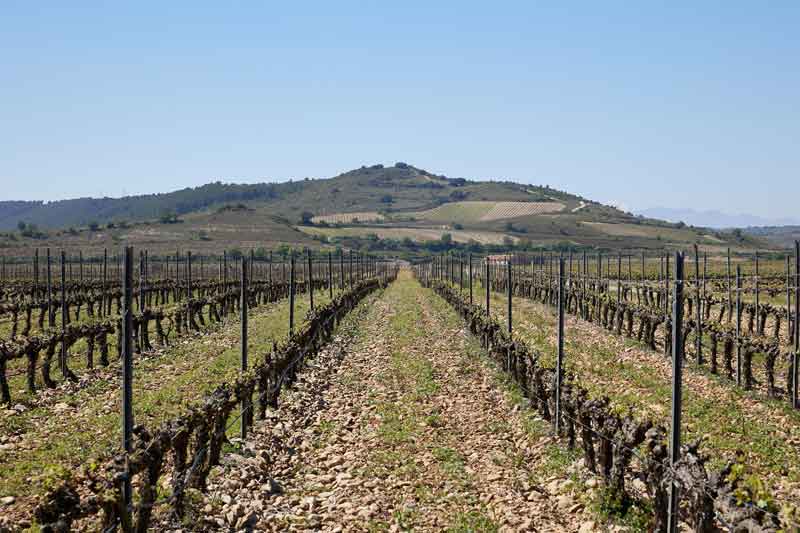
The grapevine is a hardy plant, but that does not mean that a lack of water does not affect it. When the water available in the soil does not meet its needs, water stress sets in. The intensity and duration of this stress affect the vine’s growth, leaf activity, and grape development.
Water management isn’t simply a matter of deciding whether or not to irrigate. The goal is to maintain the plant’s balance. Too much water can lead to overly vigorous vegetative growth, with leaves and shoots competing with the grape clusters. A severe shortage, on the other hand, can reduce the vine’s activity and compromise ripening.
How does the grapevine react to a lack of water?
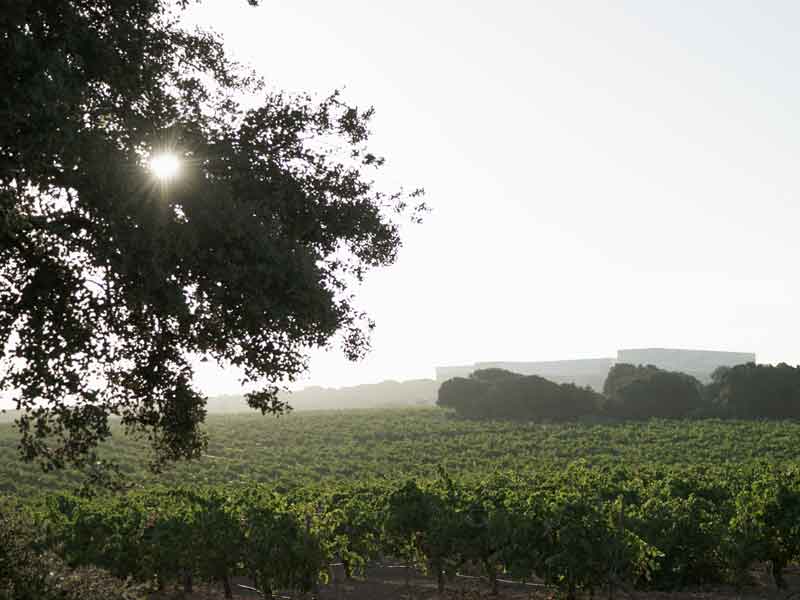
When the vine detects that it has less water available, it activates various defense mechanisms. One of the first is the partial closure of the stomata, small pores on the leaves that regulate gas exchange and water loss.
This response limits transpiration, but it also reduces the uptake of carbon dioxide and, consequently, photosynthesis. As a result, shoot growth slows down and the plant has less energy available.
If the deficiency persists, the leaves may lose turgor, change orientation, dry out at the edges, or turn yellow. The shoots stop growing, and the active leaf area decreases. In severe cases, berry size and the balance between sugars, acidity, and phenolic compounds may also be affected.
Not all strains respond the same way
Water stress does not depend solely on the amount of rainfall. Soil type, depth, and water-holding capacity also play a role. Clay soil retains moisture differently than stony or sandy soil.
The variety, the age of the vine, and the development of its roots are also important. Mature plants tend to reach deeper into the soil, while young plants may be more sensitive to prolonged periods of drought. Other factors include temperature, wind, sun exposure, and grape yield.
For this reason, two nearby plots may have different needs and should not be managed using a one-size-fits-all approach.
When is supplemental irrigation necessary?
Supplemental irrigation can be used when a lack of water threatens to disrupt the vine’s balance. The decision is not based on a fixed schedule, but rather on monitoring each vineyard.
In addition to observing the leaves, shoots, and soil, technical teams can analyze parameters such as the plant’s water potential. The goal is not to completely eliminate a moderate deficit—which can limit excessive vigor—but to prevent stress from halting the vine’s activity or affecting grape development.
Water Management at the Martínez Bujanda Family
This summer’s conditions have required particularly close monitoring of the Familia Martínez Bujanda vineyards. Successive heat waves do not affect all the estates in the same way, so decisions are made based on how each plot responds, the condition of the vines, and temperature trends.
At Viña Bujanda, the intense and persistent heat made it necessary to irrigate in late July—something that hadn’t been done for several years. The irrigation was carried out as a one-time measure to help the plants maintain their vitality and prevent a severe water deficit from disrupting their balance.
At Finca Antigua, where the vineyard is in exceptional condition both in terms of vegetation and health, the high temperatures have also made it necessary to resort to irrigation. This hadn’t been done since 2023. The estate also has a reservoir that supplies the vineyard’s needs and uses nanotechnology to optimize water use, reducing irrigation water consumption by 50%.
The heat this summer has also led to watering at Finca Montepedroso, where the vineyard remains in good condition. As is the case at Viña Bujanda and Finca Antigua, this is not a systematic practice, but rather a measure taken in response to specific weather conditions and after monitoring the vines’ progress.
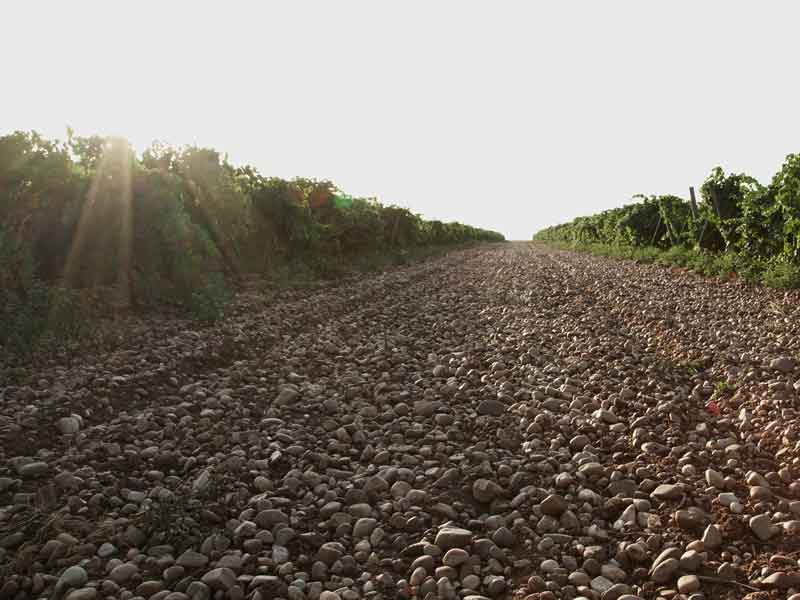
At Finca Valpiedra, the vineyard is in excellent vegetative and health condition. Its boulder-lined terraces, proximity to the Ebro River, and microclimate create conditions that differ from those of the other estates, so its development is monitored specifically.
In all cases, the decision is based on the same principle: closely monitoring each vineyard and irrigating only when necessary to maintain its balance.
Would you like to learn more interesting facts about viticulture? Come visit us and learn more!