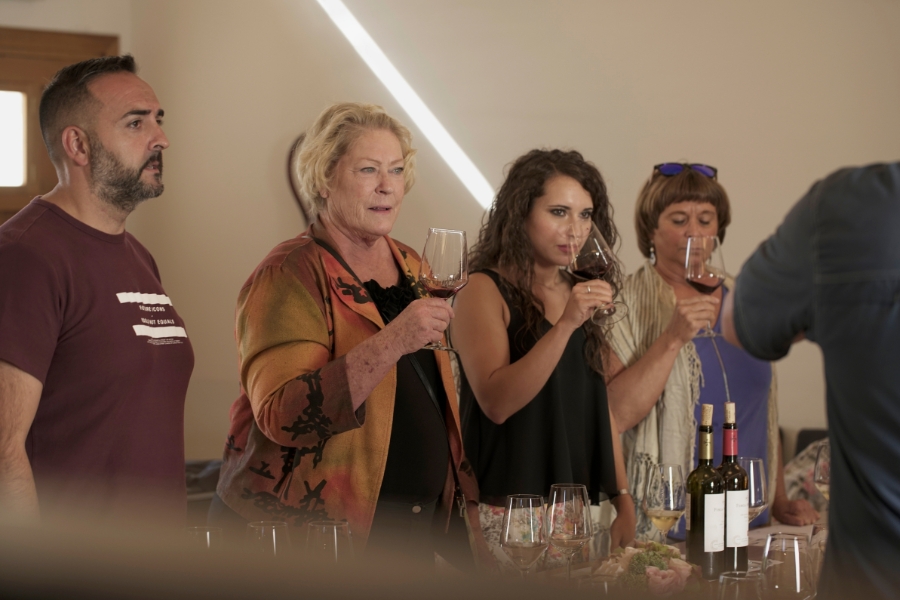
Wine can be enjoyed in many ways, but wine tasting is one of the most enriching. It is not only about drinking wine, but also about observing, smelling, tasting and understanding it. Through tasting we learn how the vineyard, climate, grape variety or winemaking decisions influence each bottle.
There are different tasting formats that allow you to analyze wine from different angles. Some are designed for technical training, others to compare styles or simply to enjoy wine in company. Below, we review six very common types of tasting that help to better understand the world of wine.
Vertical tasting
In a vertical tasting, different vintages of the same wine are tasted. That is, different vintages produced by the same winery and usually from the same vineyard or plot.
Wines such as Finca Valpiedra Reserva, Viña Bujanda Reserva or Finca Antigua Crianza Único are excellent references for a vertical tasting. And also very surprising and interesting what we do with Finca Montepedroso Verdejo.
This type of tasting allows us to observe how a wine evolves over time and how the conditions of each vintage influence it. Although the winemaking process is similar, each year is different: temperatures, rainfall, time of harvest and even small details in the winery change. One of the tasks of the technical team is to know how to interpret each vintage.
Thanks to a vertical tasting it is possible to discover how a young wine develops greater aromatic complexity, how the tannins are integrated or how tertiary notes from the evolution in the bottle appear. It also helps to understand the aging potential of a wine and its capacity to age.
For all these reasons, vertical tasting is one of the most interesting experiences for those who want to delve into the evolution of wine over time.
Horizontal tasting
The horizontal tasting works in the opposite way to the vertical tasting. In this case, wines of the same vintage are tasted , but from different wineries or vineyards.
For example, a tasting of Cantosde Valpiedra 2021 and Viña Bujanda Crianza 2021.
Even if the wines come from the same region and the same year, each will reflect the winery’s style, soil type, vineyard altitude or winemaking decisions.
The horizontal tasting is very useful for analyzing aspects such as:
- Different processing styles
- Influence of the terroir or the vineyard
- Interpretations of the same grape variety in a given vintage.
For this reason it is a format widely used in training, wine courses and didactic tastings, as it helps to understand the diversity that can exist within a single appellation of origin.
Blind tasting
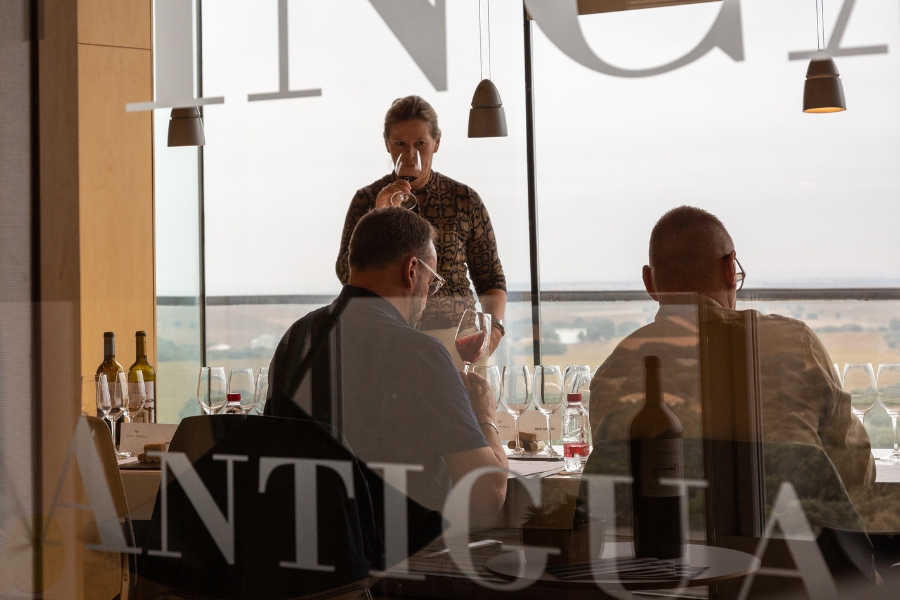
In a blind tasting, the taster does not know what wine he/she is tasting. If you want to discover all the secrets of a blind tasting, read our article Blind tasting: how it works, what it reveals and how to succeed in our blog.
Thematic tasting
Thematic tastings are organized around a specific concept that serves as the common thread of the experience. For example, a tasting may focus on:
- Organic wines
- Grape varieties
- Wines according to climate (Atlantic, Mediterranean wines, etc.)
- Soil types
This format allows you to delve deeper into a specific topic in the world of wine and discover lesser-known styles. In addition, they are usually very dynamic tastings, as they combine tasting with explanations on viticulture, history or geography of wine.
Thematic tastings are very common at events, fairs, specialized courses and wine tourism experiences, where they help to bring wine closer to the public in a more narrative and didactic way.
Paired tasting
In a paired tasting, wines are tasted accompanied by foods designed to enhance their qualities. The objective is to discover how the combination of wine and food can enhance the flavors of both and break preconceived ideas:
For example:
- Finca Valpiedra Reserva Blanco, with roasts and strong cheeses.
- Petra de Valpiedra, with hunting
- Finca Antigua Moscatel, with foie or blue cheese
When the pairing is well thought out, the result is a more complete sensory experience. The acidity of the wine can balance the fat of a dish, the tannins can be softened by the protein of the meat or a sweet wine can intensify the aromas of a dessert.
This type of tasting is very popular in restaurants, gastronomic events and wineries, as it unites two inseparable worlds: wine and cuisine.
Understanding wine
In short, each type of tasting offers a different way of approaching wine. Some allow you to delve deeper into its evolution, others compare styles or explore specific concepts. All, however, share the same objective: to better understand what is inside the glass and enjoy wine in a more conscious way.